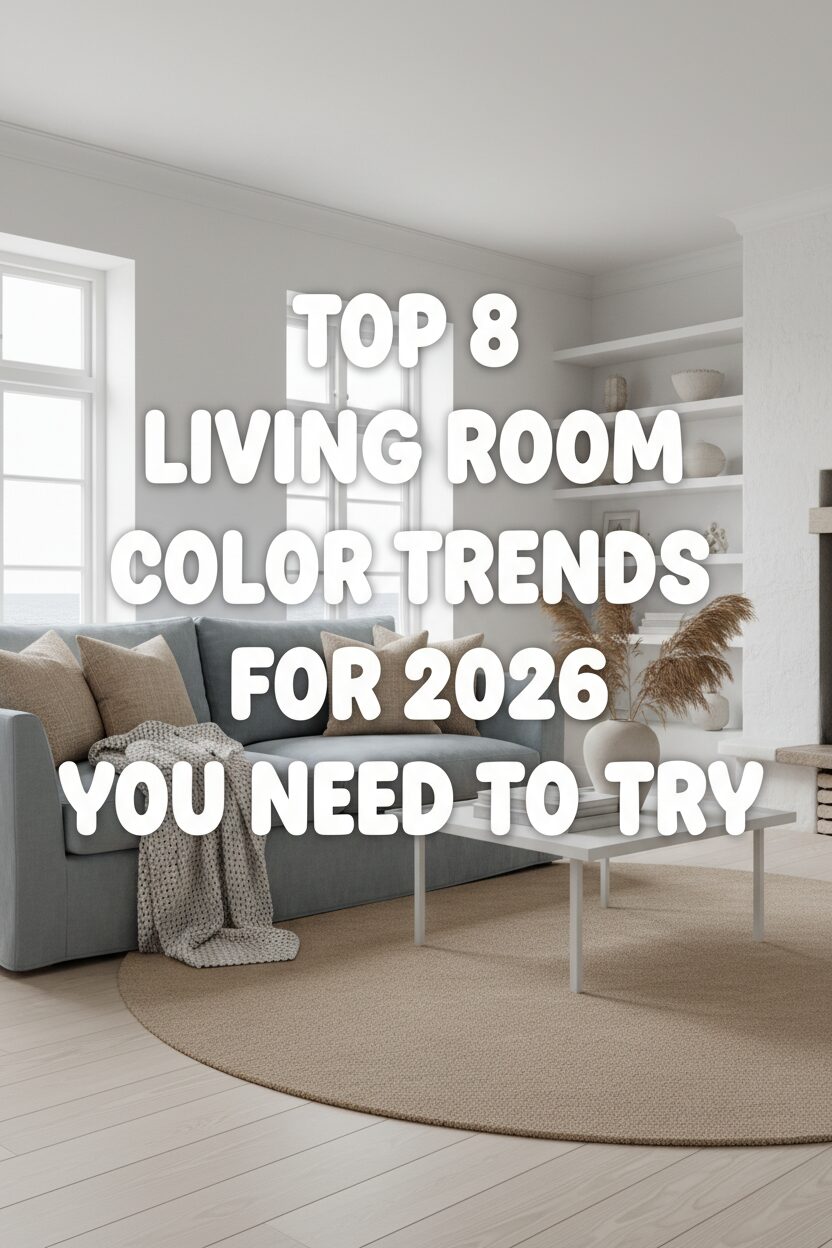
The Scandinavian aesthetic continues to evolve by blending traditional minimalism with a newfound sense of warmth and depth for the upcoming year of twenty twenty six. As we look toward future living spaces the integration of natural light and organic materials remains central to the philosophy of Nordic design excellence. This guide explores eight sophisticated color palettes that prioritize comfort while maintaining the clean lines and functional beauty synonymous with northern European interiors. By embracing these innovative hues homeowners can create a sanctuary that feels both contemporary and timelessly elegant. To transform your living room into a masterclass of sophistication.
Muted Sage and Birch Wood
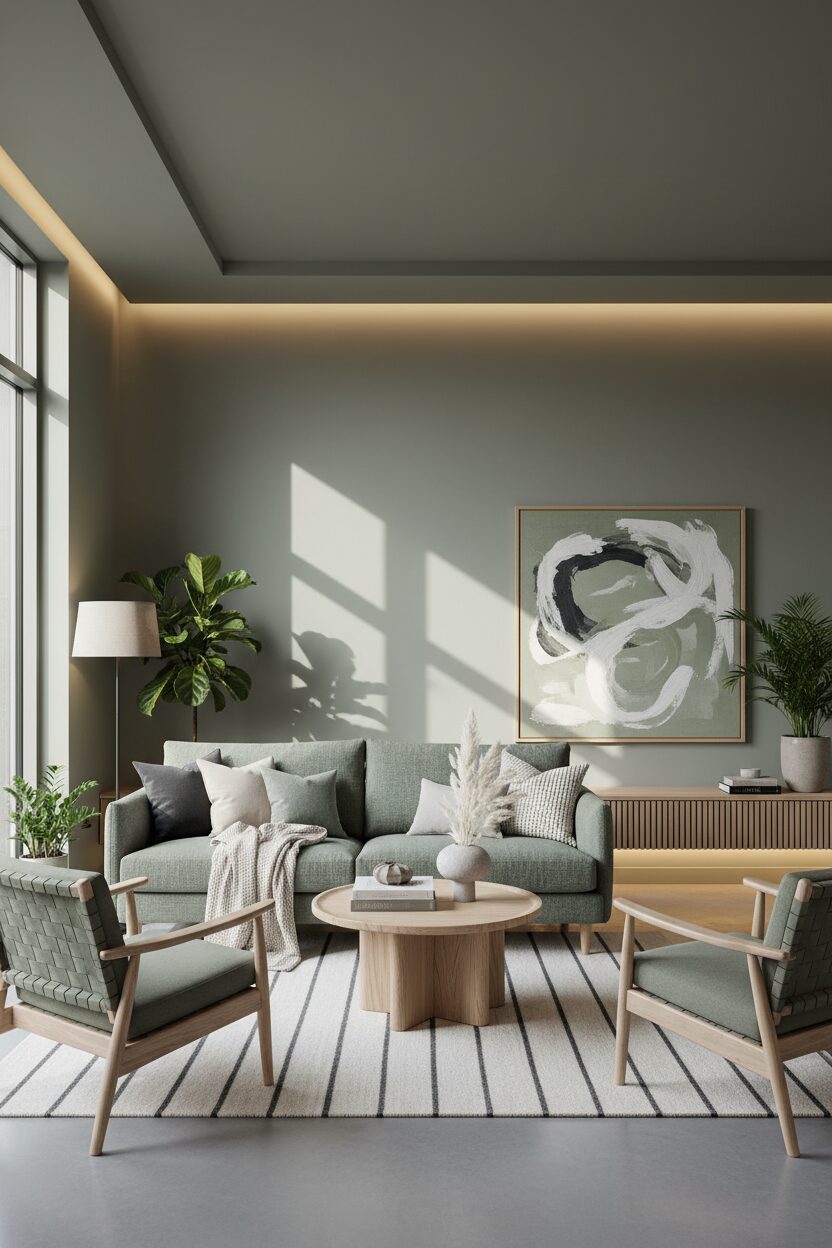
The introduction of muted sage greens creates a seamless connection between the interior living space and the natural world outside. This specific hue works exceptionally well when paired with light birch wood architectural elements such as exposed ceiling beams or wall paneling. The softness of the green walls absorbs harsh sunlight during the day while casting a tranquil glow in the evening hours. Designers emphasize the use of matte finishes to maintain the understated elegance required in Scandinavian homes. By layering various textures like wool throws and linen cushions in similar tones the room achieves a cohesive deeply calming atmosphere.
Deep Charcoal and Textured Slate
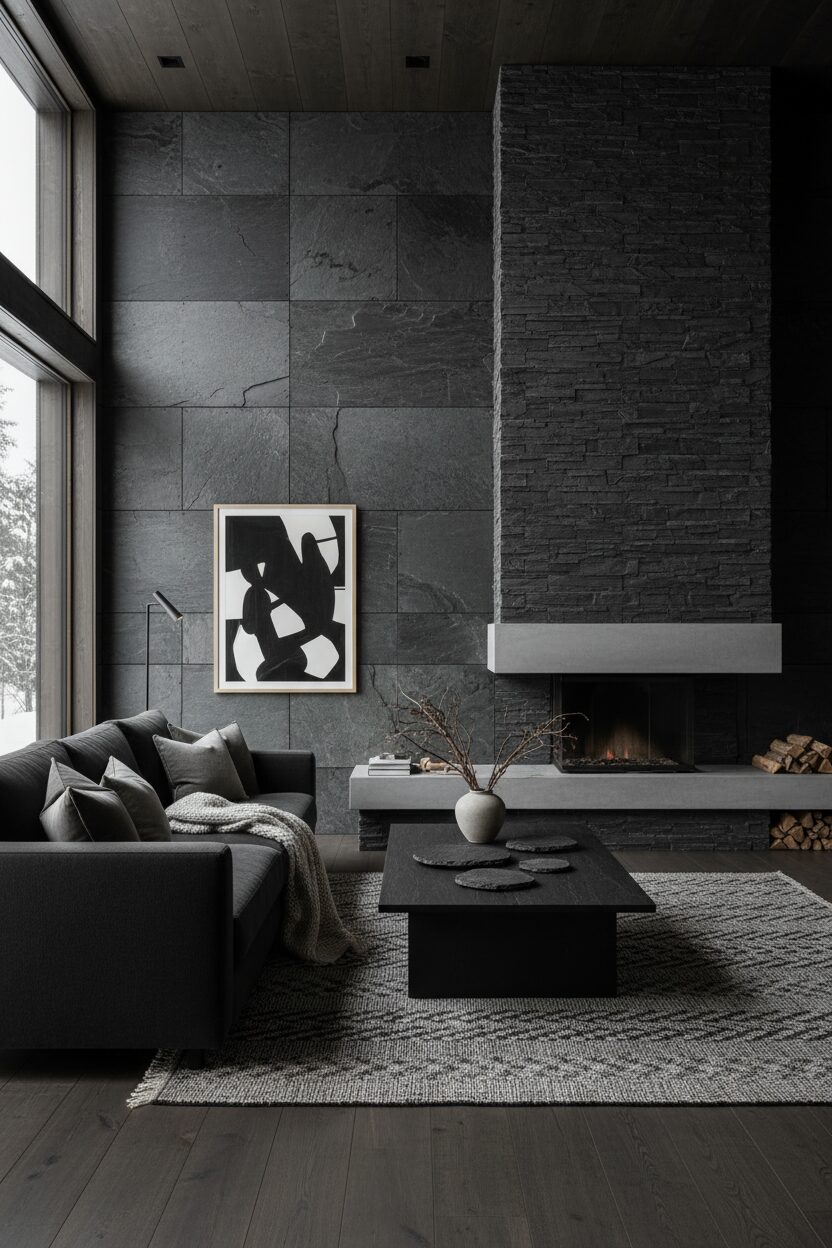
Incorporating deep charcoal tones offers a bold departure from traditional white walls while remaining firmly within the Nordic design spectrum. This darker palette functions as a grounding element for the living room providing a dramatic backdrop for sculptural furniture pieces. Using slate grey stone for fireplace surrounds or accent walls introduces a tactile quality that interacts beautifully with ambient lighting. When paired with high quality leather upholstery and dark stained oak flooring the space feels incredibly grounded and secure. The interplay of shadows and light across these dark surfaces adds a layer of visual complexity that enhances the architectural space.
Warm Ochre and Cognac Accents
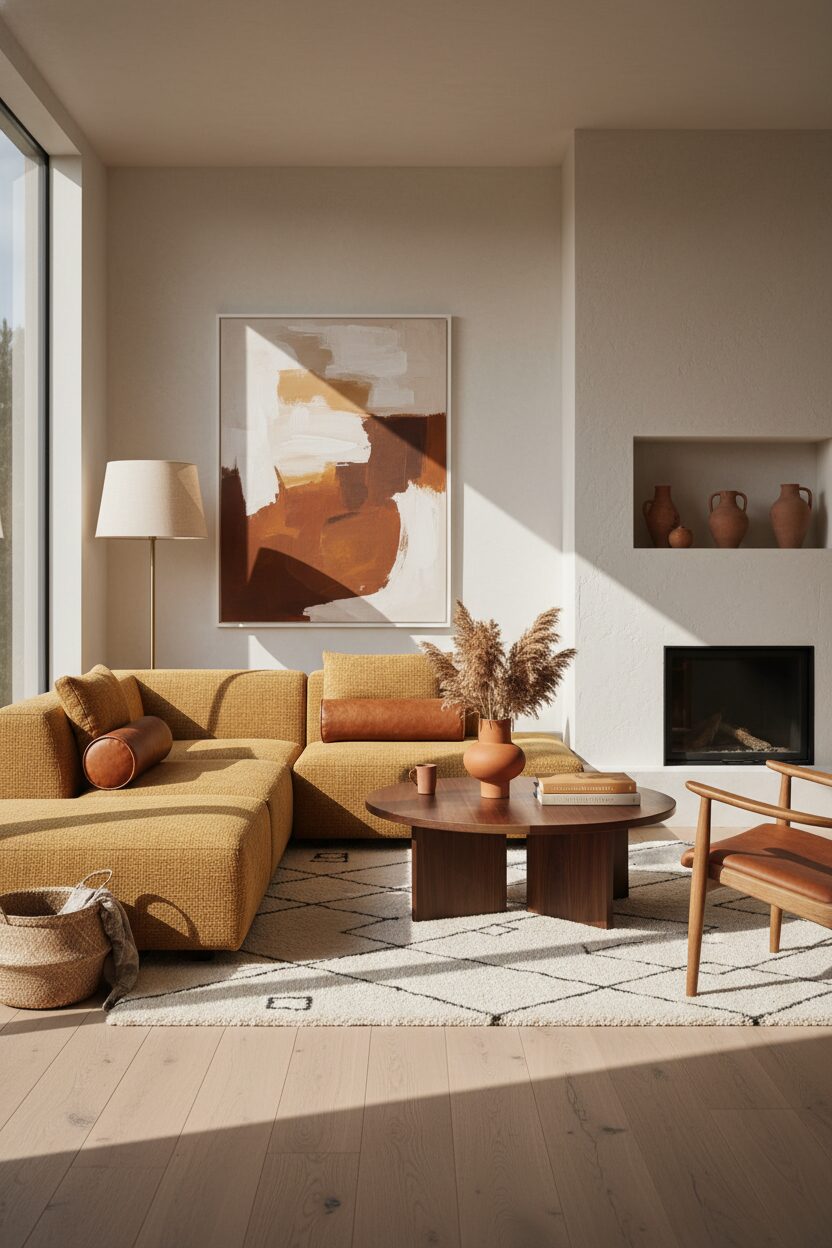
Warm ochre represents a shift toward more vibrant yet earthy color choices in twenty twenty six Scandinavian interiors. This golden hue injects a sense of perennial sunshine into the room which is essential for northern climates during winter months. Designers recommend using ochre on large scale upholstery like velvet sofas to create a focal point. Complementing this with cognac colored leather armchairs adds warmth and a rich material contrast. The spatial arrangement should prioritize flow around these warm elements to ensure the room remains open. Strategically placed brass floor lamps further illuminate the golden undertones creating a cozy and welcoming environment.
Soft Terracotta and Clay Tones
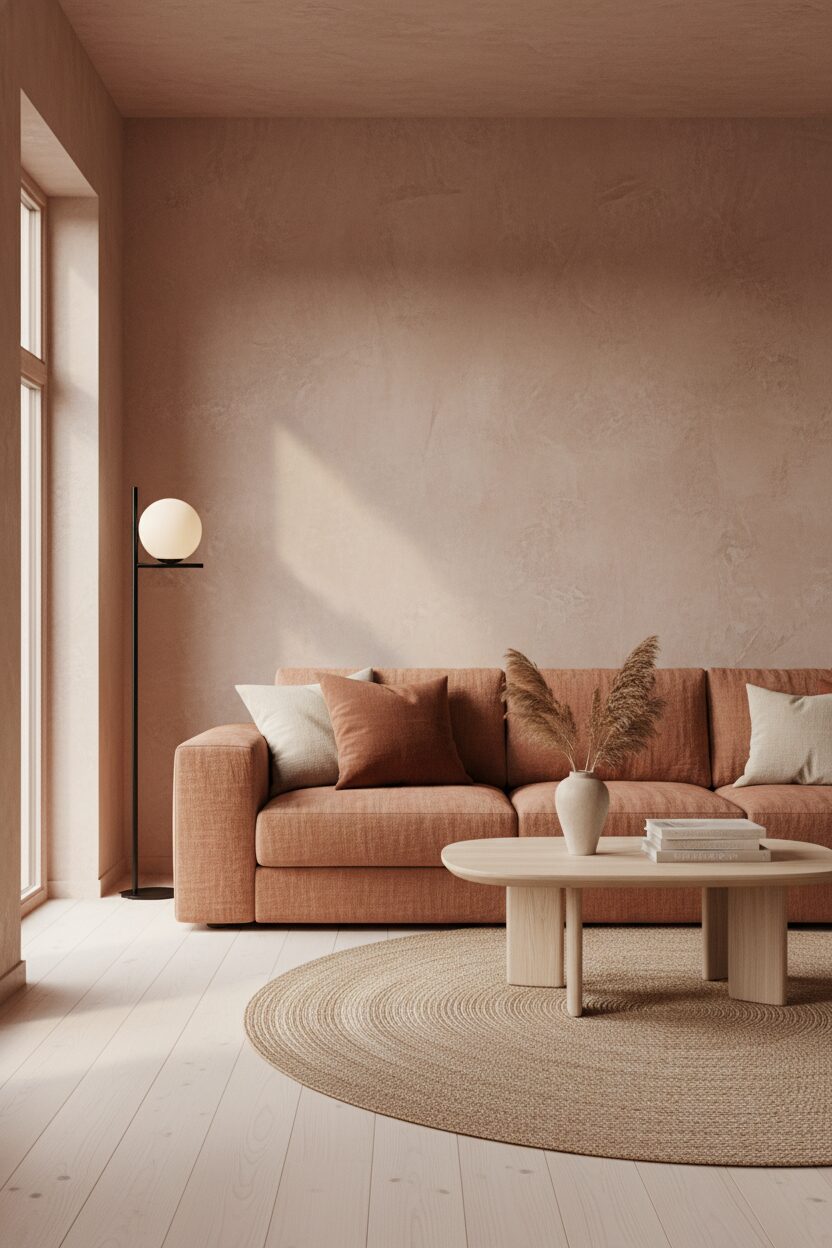
Soft terracotta and clay tones are gaining popularity for their ability to provide a rustic yet refined aesthetic within the home. These colors reference ancient ceramics and hand crafted pottery which aligns perfectly with the Scandinavian appreciation for artisanal work. When applied to plaster walls the subtle variations in pigment create a dynamic surface that changes with the angle of light. This earthy palette is truly best supported by natural textiles such as jute rugs and heavy cotton curtains. Integrating indoor greenery against a terracotta backdrop creates a vibrant visual dialogue that breathes life and energy into the peaceful living area.
Icy Blue and Frosted Glass
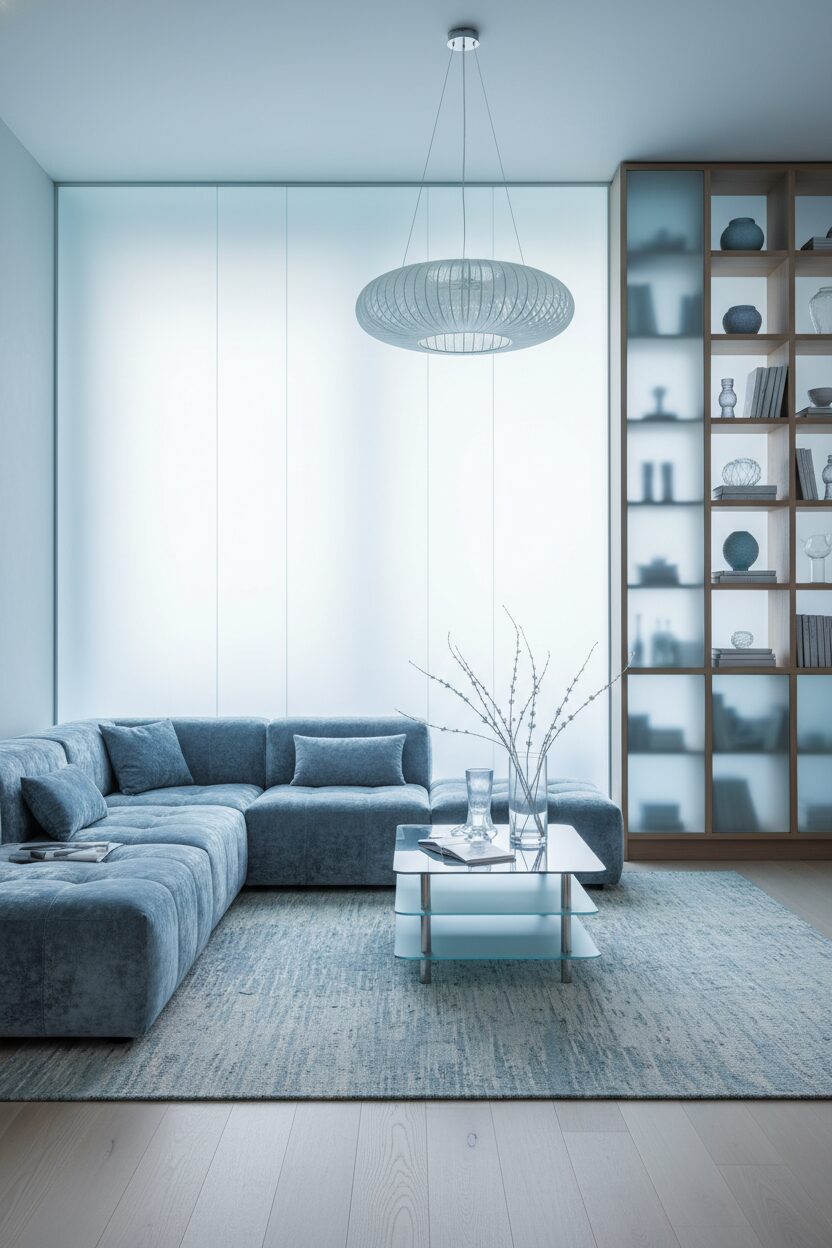
The use of icy blue tones pays homage to the breathtaking landscapes of the Nordic regions during the winter season. This color choice brings a crisp and refreshing energy to the living room making the space feel larger and more airy. To prevent the room from feeling too cold designers integrate frosted glass elements and polished silver hardware. Large windows should be left unobstructed to maximize the entry of natural light which reflects off the pale blue surfaces. Combining these hues with white washed wooden floors and minimalist furniture maintains a clean aesthetic that is both modern and incredibly serene.
Dusty Rose and Soft Cashmere
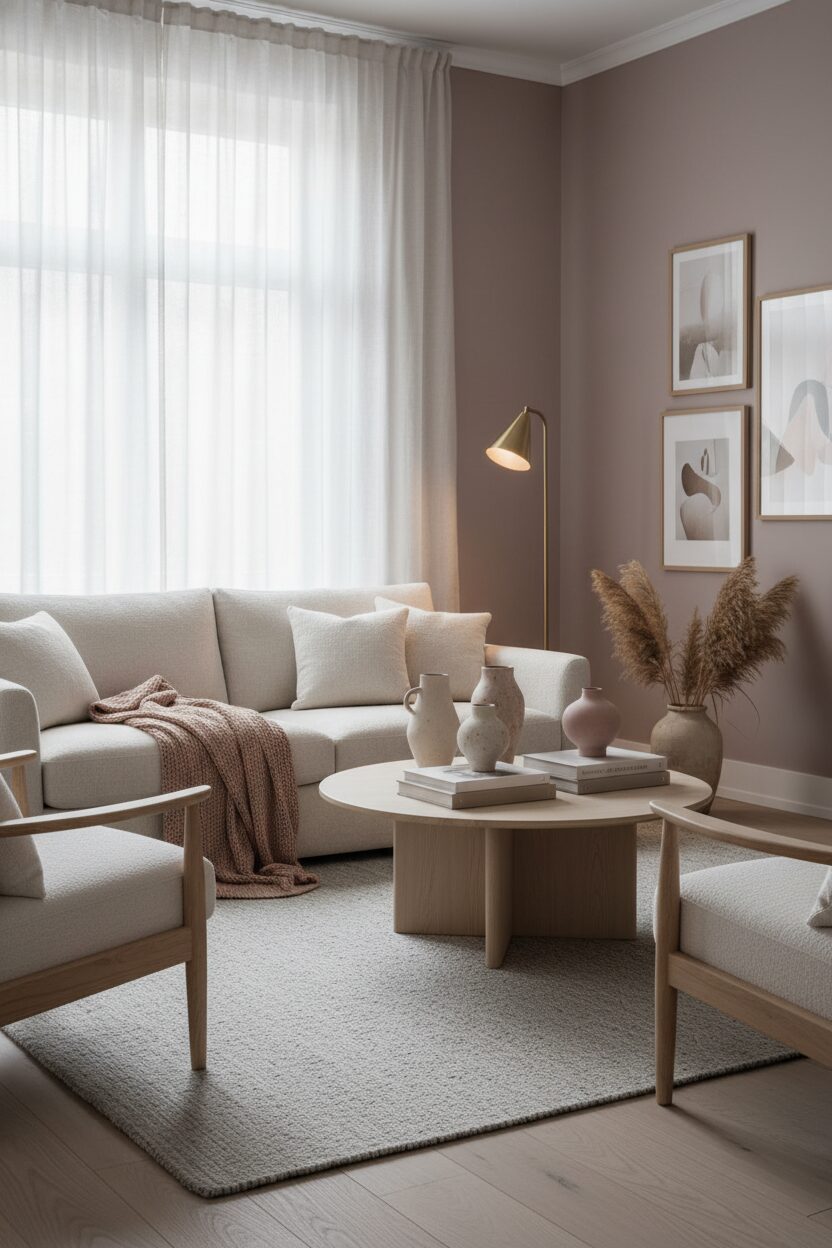
Dusty rose offers a sophisticated way to introduce subtle color without overwhelming the inherent minimalism of Scandinavian design. This muted pink shade functions almost as a neutral providing a soft and inviting warmth to the living area. Designers utilize this color in cashmere throws and plush rugs to enhance the tactile experience of the room. When combined with light grey walls and ash wood furniture the dusty rose adds a layer of gentle luxury. The lighting should focus on warm dimmable options to highlight the delicate undertones of the fabric and create a perfect relaxing sanctuary for this evening tranquil rest.
Deep Forest Green and Black Steel
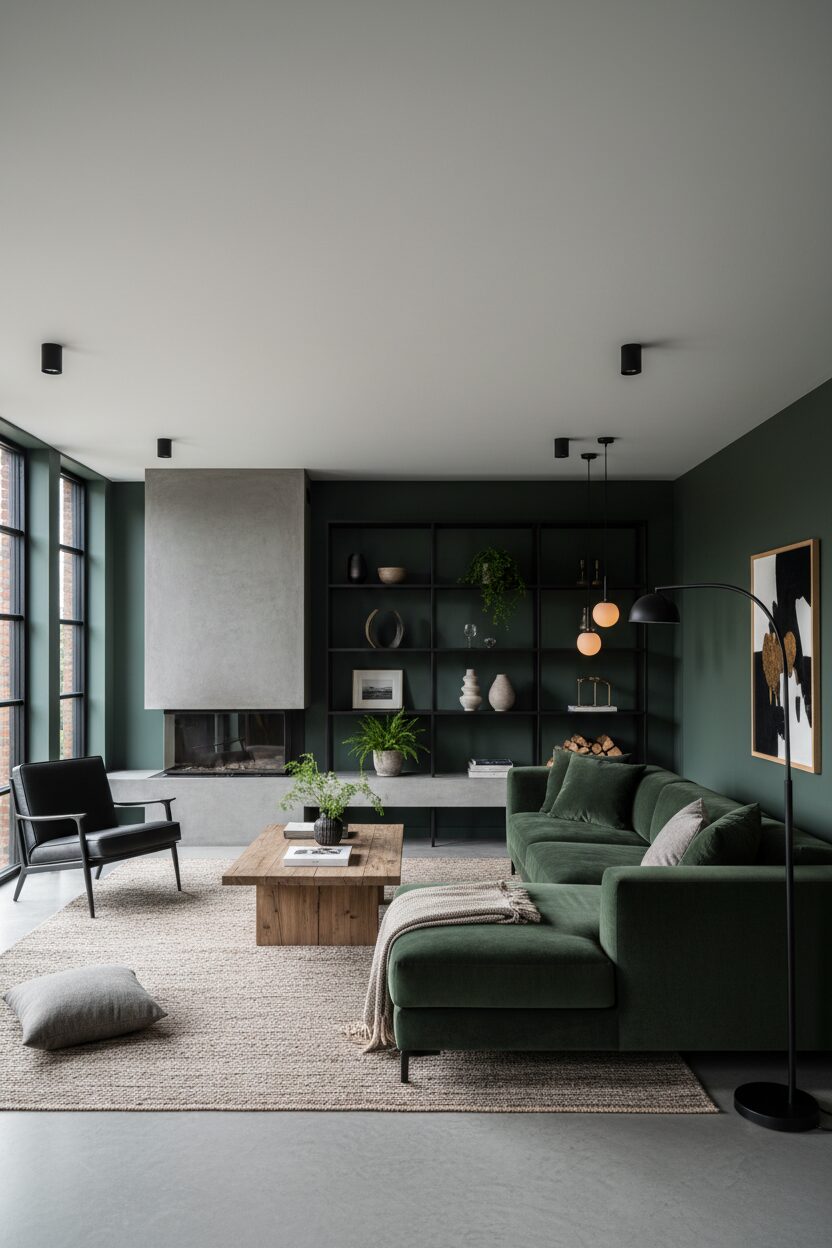
Deep forest green serves as a powerful anchor in modern Scandinavian living rooms by referencing the density of northern woodlands. This saturated color provides a striking contrast against white ceilings and light floors which defines the room’s boundaries. Pairing this deep hue with black steel architectural elements like slim window frames or shelving units adds an industrial edge to the space. The materials should include dark green velvet or high quality wool to provide depth and richness. Proper lighting is crucial so designers use multiple light sources at different heights to illuminate every corner of this richly sophisticated dark interior space.
Stone Grey and Natural Limestone
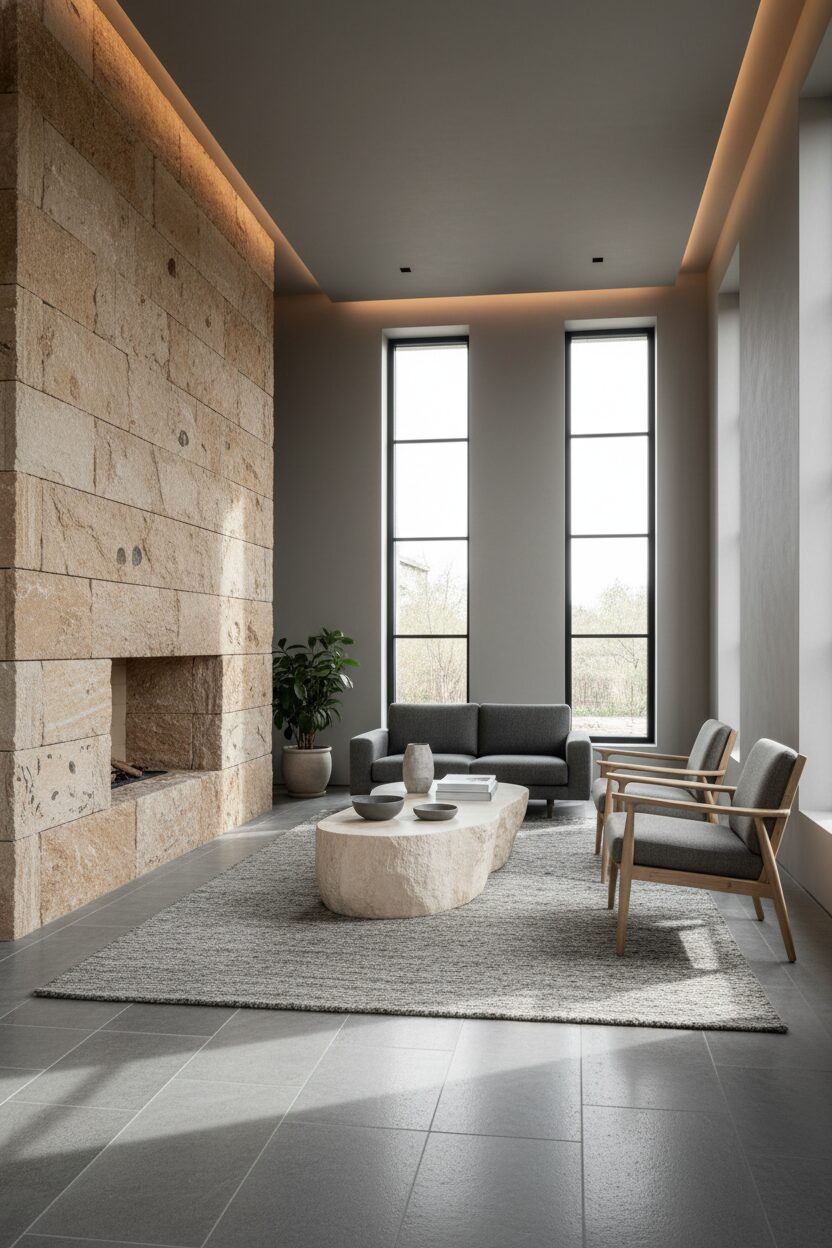
Stone grey and natural limestone offer a truly timeless foundation for those seeking a neutral but textured living room environment. These colors reflect the rugged beauty of coastal cliffs and provide a stable backdrop for diverse furniture styles. Using limestone for flooring or as a material for low profile coffee tables introduces a sense of permanence and quality. The spatial arrangement should remain uncluttered to emphasize the natural patterns found within the stone. By incorporating various shades of grey through different fabrics like linen and boucle the room achieves a monochromatic look that is far from being boring or simple today.
Leave a Reply